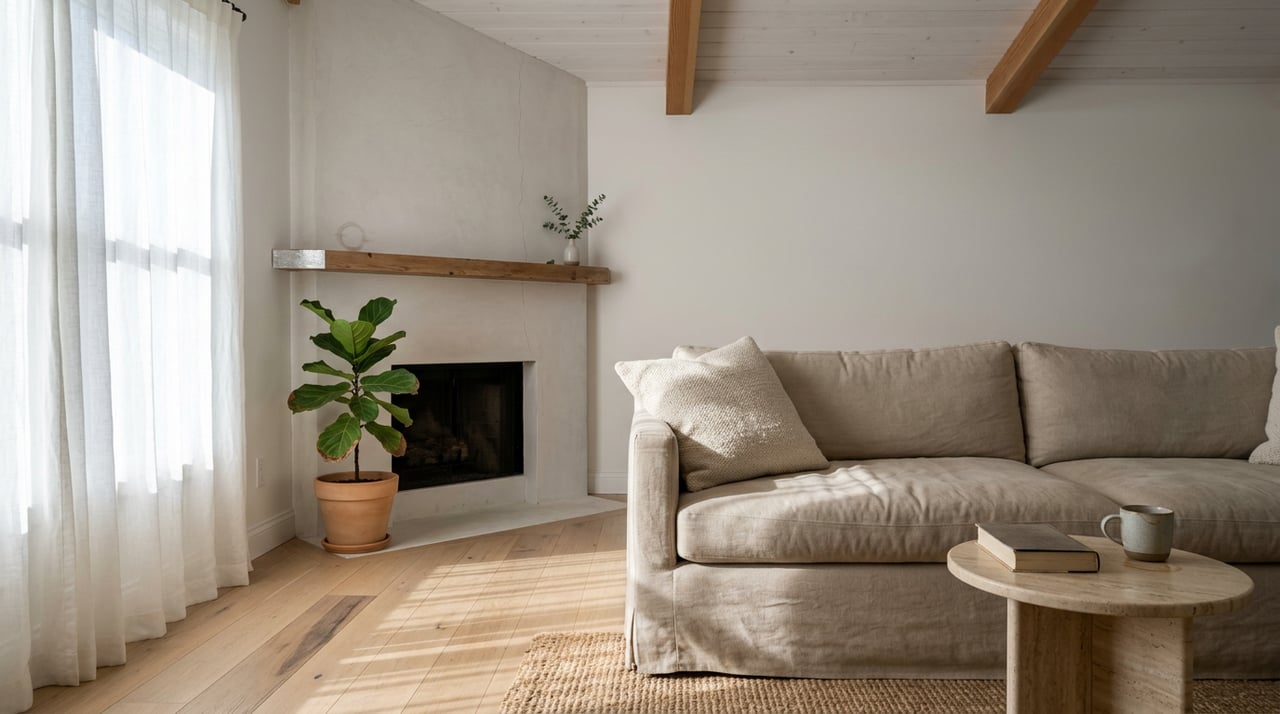
What Santa Cruz’s Median Home Price Actually Buys in 2026
Two houses. Same list price of $1.4M. One sits three blocks off West Cliff Drive with a straightforward homeowner policy waiting at the closing table. The other sits on a quiet road above Ben Lomond with a FAIR Plan quote that adds roughly $1,500 to the monthly payment before the buyer has picked out a paint color. Same median, different mortgages, different lives.
That gap is the story of the Santa Cruz market right now, and it is the reason the citywide median has quietly stopped being a useful shopping tool.
The number that changes a buyer's search radius in 2026 is not the sale price. It is the annual insurance premium. In the more fire-exposed pockets of California, FAIR Plan policies have climbed to somewhere between $10,000 and $20,000 a year, with another rate increase already proposed for 2026. On a monthly basis that can pile on $1,500 or more, which is enough to push a debt-to-income ratio out of qualifying range on an otherwise affordable house.
Practically, that means a buyer pre-approved for $1.4M in the city core is not pre-approved for $1.4M in Bonny Doon. The bank runs the same math the buyer should be running: total monthly obligation, not purchase price. When the insurance line doubles or triples, the mountain house becomes the more expensive house even when the MLS says otherwise.
Verify insurability before you tour, not after you write the offer. Traditional carriers have thinned out in the wildland-urban interface, and by the time an inspection contingency is running, a difficult insurance quote can burn a week the buyer does not have.
Portals hand shoppers a single number. It is almost never the right one. Here is what the same market looks like from three different angles as of mid-2026.
| Slice of the market | Median (mid-2026) | Median days on market | What it signals |
|---|---|---|---|
| Santa Cruz County (all of it) | roughly $1.19M sale price in May 2026 | 16 | Softer than the city, pulled down by mountain and outlying inventory |
| City of Santa Cruz (trailing 3 months) | about $1.4M sale price through May 2026 | 14 | Core urban demand still tight |
| Westside list prices | roughly $1.98M in June 2026 | 36 | Premium coastal pocket, but sitting longer |
The county number and the Westside number are separated by about $800,000. They describe the same buyer's search on the same afternoon. That spread is not a lifestyle preference showing up in the data. It is a risk map showing up in the data.
Countywide inventory has finally broken past the 400 to 500 active-listing barrier that held for years, which is the number that gives buyers room to inspect, negotiate, and walk. City-core homes still go pending in about two weeks on average. Mountain listings sit. Same county, opposite markets.
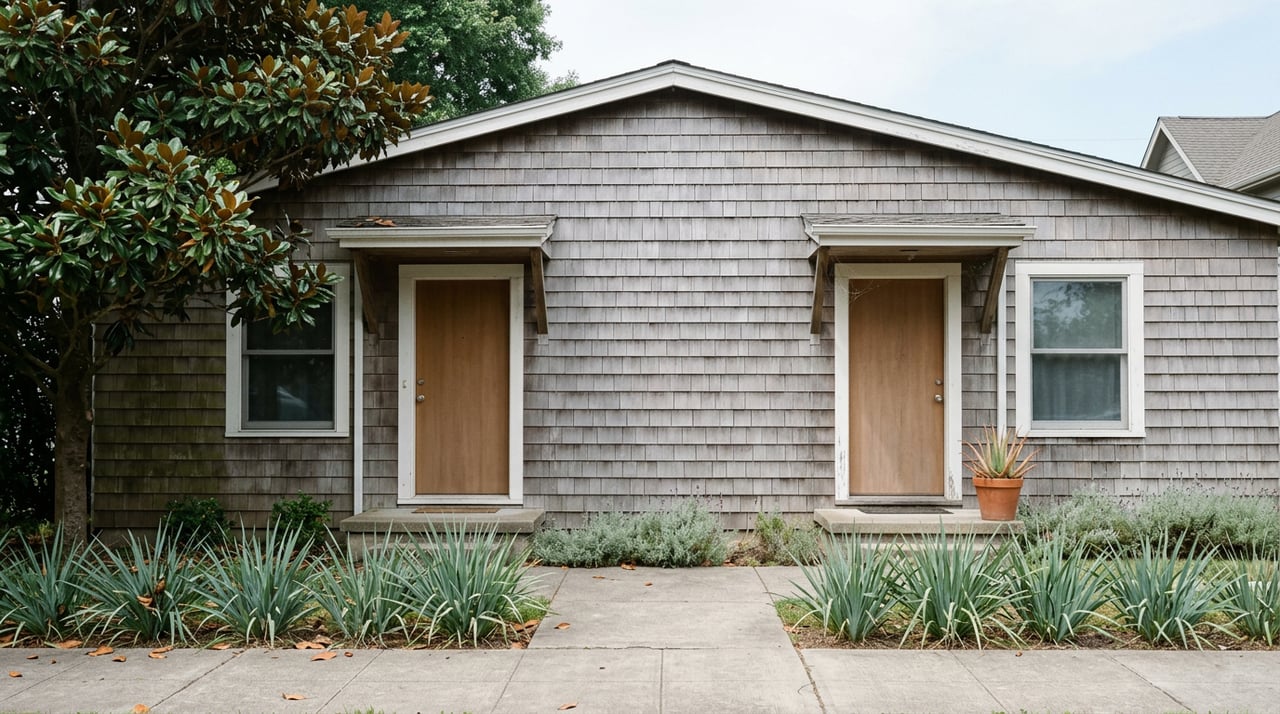
Walkable blocks, dense infill, and a short bike ride to Steamer Lane, West Cliff Drive, and Natural Bridges State Beach. Access to Wilder Ranch and Moore Creek Preserve for the weekend. A tighter lot, an older bungalow, and a price per square foot around $830 in July 2026, with plenty of listings well above that on the Far Westside.
The Westside carries a premium for two reasons that have nothing to do with each other. The first is climate and coastal access, the Banana Belt effect that has priced this pocket for decades. The second is what the Westside is not: it is not in a high-hazard fire zone, so the insurance conversation is closer to routine than to emergency.
Worth watching: the $80M, 100-unit workforce housing project on Swift Street broke ground in March 2026, aimed at Santa Cruz City Schools staff. It will not move Westside comps on its own, but it is a real signal about where the district and the city expect to keep concentrating housing supply, and it changes the character of the Swift Street corridor over the next few years.
More sun, a shorter walk to the water on the east end, and the 41st Avenue commercial spine. Redevelopment activity has been steady, so the housing stock is a mix of original beach bungalows and recent rebuilds. The Eastside has been the price-per-square-foot story of the last few years, with rebuilt homes pulling up neighborhood comps house by house.
The relevant friction here is not fire insurance. It is the redevelopment premium. Two houses on the same block can be priced 40% apart because one has been taken down to the studs and one has not. A median for this zip code hides that split entirely. Buyers using a single median as their yardstick will feel like they are losing bidding wars they were never really in, because the winning offers were priced against a different comparable set.
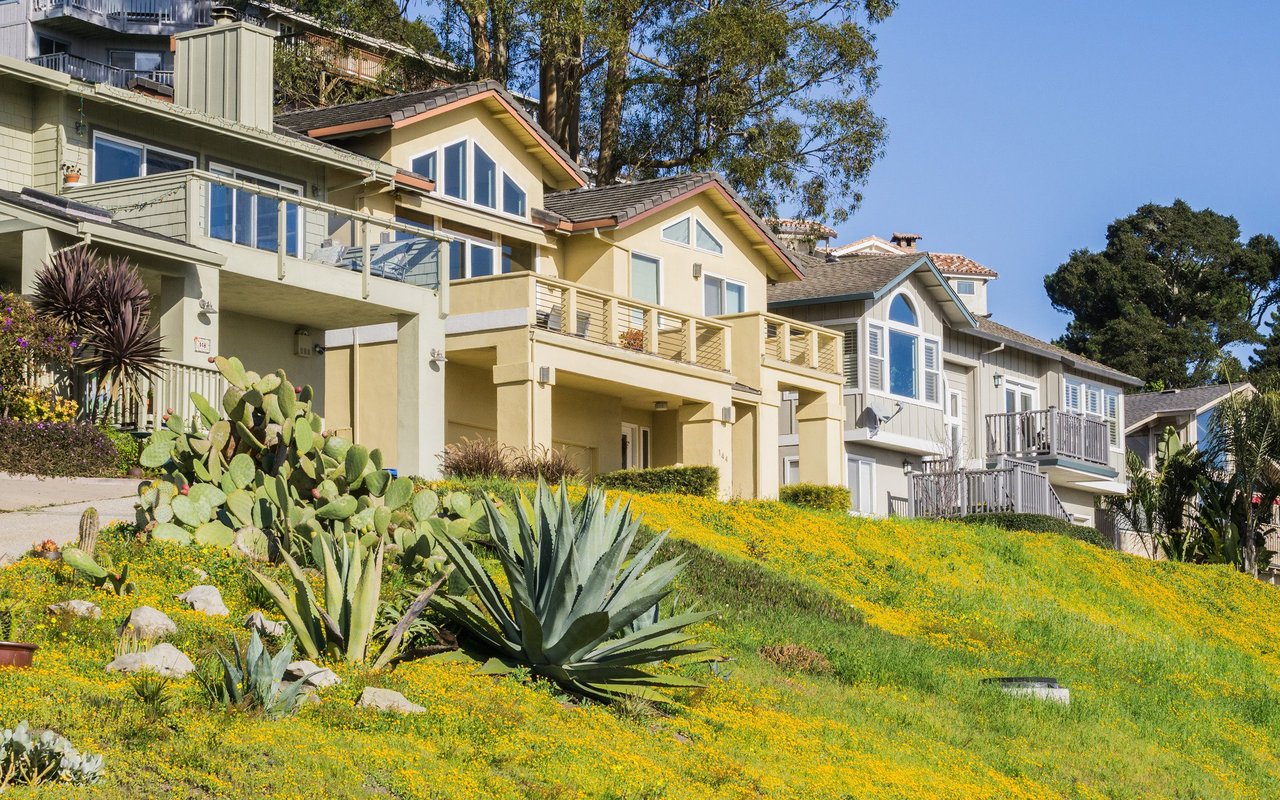
More house, more land, more quiet. San Lorenzo Valley, Bonny Doon, and the ridgelines out toward Henry Cowell Redwoods list at price points that look like a bargain against city comps.
They are not a bargain in every case. They are a bargain conditional on insurability. Once the FAIR Plan wraps in, once the wrap-around policy is layered on, once the property tax bill on the new assessed value lands, the monthly payment can equal or exceed a smaller Westside house that felt out of reach on list price alone.
For the right buyer, this is still the best value in the county. For the wrong buyer, it is a contract that falls apart in the second week of escrow. The screen for the difference is a phone call to an insurance broker before the offer, not after.
Is the Santa Cruz market a buyer's market or a seller's market in 2026? Both, depending on the block. The city core still turns homes in about two weeks. Westside listings above roughly $1.5M sit closer to five weeks. Mountain listings sit longer. The county has enough inventory to negotiate for the first time in years, but that leverage is not evenly distributed.
Why is the countywide median so much lower than the city median? The county number folds in mountain and outlying communities where insurance pressure has softened prices and slowed sales. The city number reflects a much tighter pool where insurance is a lighter drag. The two numbers describe different products, not different moments in time.
Does the Swift Street workforce housing project change values on the Westside? Not directly. One hundred units aimed at district staff will not move comps in a market this size. What it does change is the assumption that the Westside is done adding density. Buyers holding a property for ten years should read it as a signal about where the city is willing to build.
How should a buyer compare a $1.4M Westside house against a $1.4M mountain house? Convert both to a full monthly payment first. Ask each listing agent what carrier the current owner uses and what the policy costs today. If the mountain quote lands $1,000 to $1,500 higher per month, that is real money to fold back into the price you are willing to pay for either house.
The median is a headline. Your budget is a monthly payment, and in Santa Cruz right now those two numbers have drifted further apart than they have in a long time. If you want an honest read on what your dollars actually buy on the Westside, the Eastside, or up the hill, Jessyka Sommers will walk the math with you before you write an offer. Let's Connect.

I am committed to guiding you every step of the way—whether you're buying a home, selling a property, or securing a mortgage. Whatever your needs, I've got you covered.
301 Capitola Ave Capitola, CA 95010